Most analytics projects do not fail because of the analytics platform. They fail because of what happened earlier — during data migration.
When dashboards stop matching financial reality, the root cause often lies in the migration process.
The Illusion of a Successful Go‑Live
After ERP go‑live, operations may run smoothly. Transactions post correctly and users work normally.
But analytics introduces new pressure on data structure, revealing inconsistencies that were previously hidden.
Where Migration Risk Lives
Migration risk often appears in:
• Inconsistent entity mapping
• Duplicate records
• Partial historical data
• Chart of accounts misalignment
• Manual CSV uploads without validation
Why This Matters for Modern Analytics
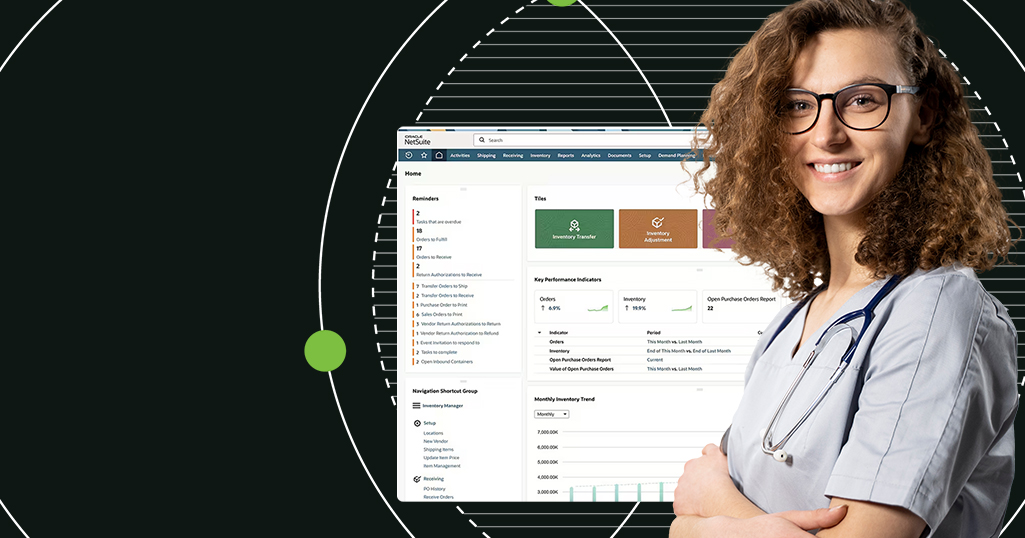
When organizations expand analytics using environments such as NetSuite Analytics Warehouse or cross‑platform platforms like Domo, data inconsistencies become more visible.
Analytics assumes structured relationships, reconciled balances, and consistent KPI definitions.
Migration Discipline as an Analytics Strategy
Strong analytics environments rely on disciplined migration methodology including:
• Controlled extraction
• Structured transformation
• Automated validation
• Reconciliation checkpoints
• Guided load sequencing
Final Perspective
Analytics tools receive attention because they are visible.
Migration rarely does — but it determines long‑term reporting reliability.
If you are investing in analytics, review your foundation first.