Short answer: QuickBooks works well for one or two locations under a single entity. The strain shows up when each location is its own company file, when consolidation happens in a spreadsheet, and when nobody can answer location level questions without a day of work. If four or more of the signs below sound familiar, it is worth looking at a system built for multiple entities.
A note on where we stand: Bring IT is an Oracle NetSuite Alliance Partner. We have written this to help you decide, including when staying on QuickBooks is the right call.
Seven Signs You Have Outgrown It
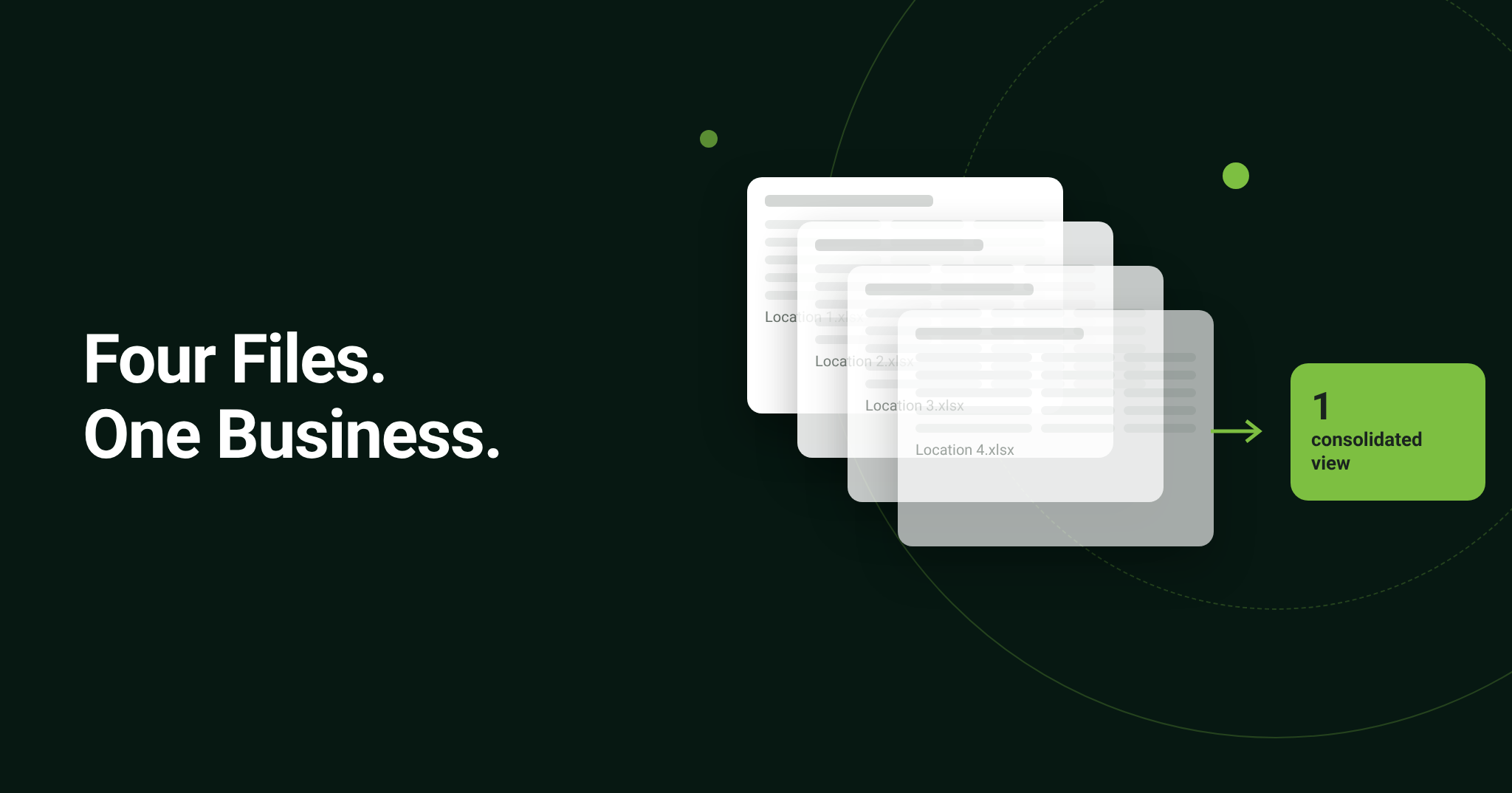
- One company file per location. Every new unit adds a file, a login and another thing to reconcile.
- Consolidation lives in a spreadsheet. The group view is rebuilt by hand each month, and only one person really understands it.
- The close takes weeks. Numbers are not reliable until well into the following month, so decisions are made on last quarter’s picture.
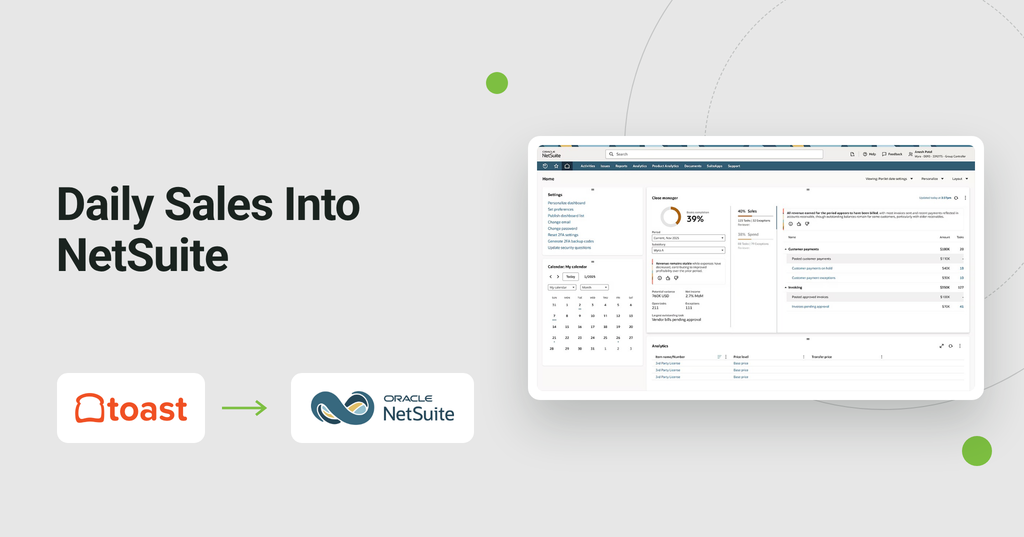
- POS sales are entered manually. Someone exports totals and keys them in, location by location.
- Intercompany transactions are untracked. Transfers between your entities get cleaned up at year end, if at all.
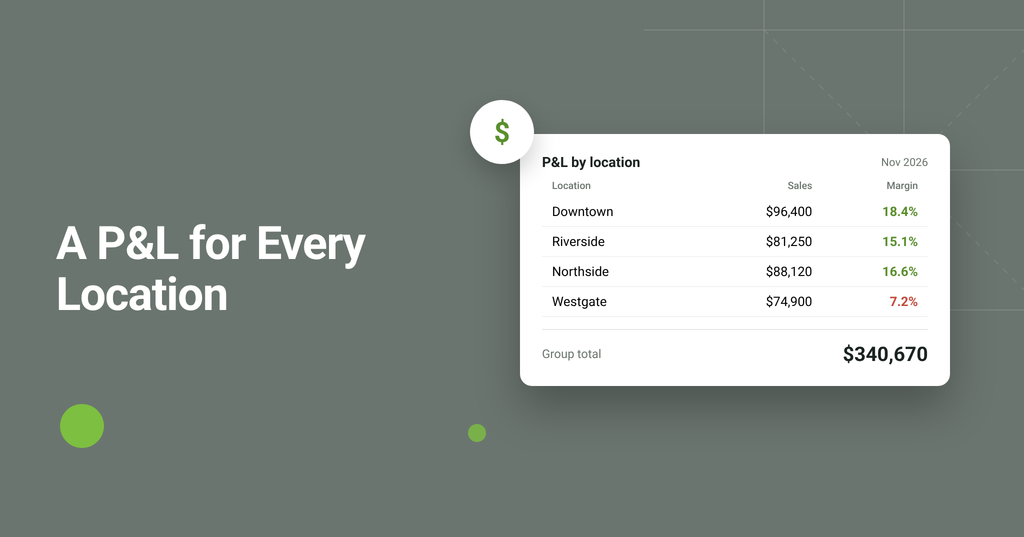
- You cannot compare locations fairly. Shared costs are allocated differently each month, so the comparison is never apples to apples.
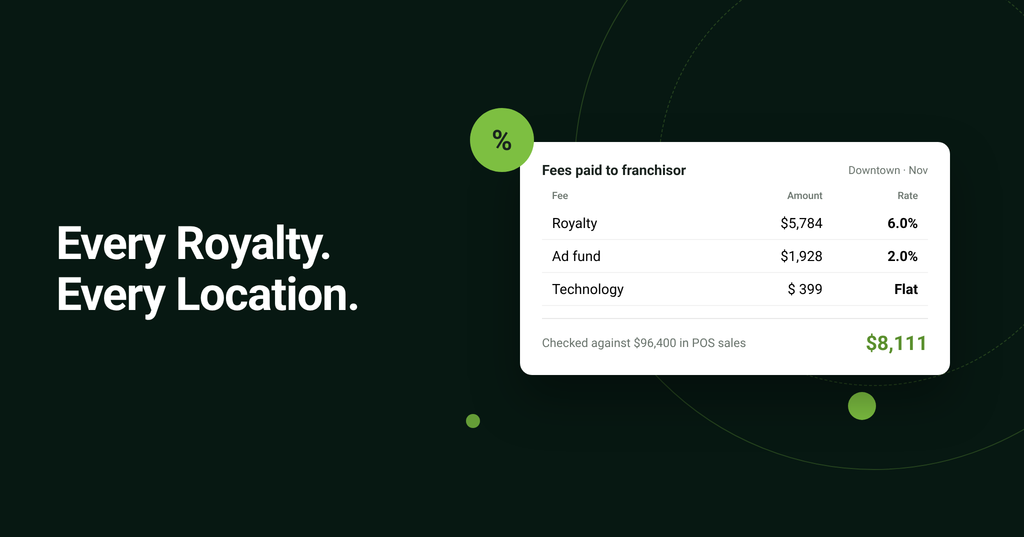
- Royalties are hard to verify. Checking what you paid the brand against the sales that produced it takes hours.
One or two of these is normal. Four or more usually means the cost of the workarounds has passed the cost of changing systems.
| Stay on QuickBooks | QuickBooks plus connectors | Move to an ERP | |
| Best fit | 1 to 2 locations, one entity | 2 to 4 locations, simple structure | Several entities, continued growth |
| Multi-entity consolidation | Manual | Partly automated | Built in |
| POS sales import | Manual or app based | Through a connector service | Built into the implementation |
| Location level P&L | Possible with classes or locations | Possible, with care | Native |
| Cost | Lowest | Low, plus subscriptions | Highest, with an implementation |
| Effort to change | None | Days to weeks | 8 to 12 weeks with a fixed scope package |
Option 1: Stay, and tighten the process
If you have one or two locations in a single entity, the fastest win is usually process, not software. Tag every cost at entry, use the location tracking available in your plan, and agree one allocation rule. That alone fixes many reporting complaints.
Option 2: Add connectors around QuickBooks
Services exist that post daily POS sales into QuickBooks automatically. For a small group with a simple structure, this removes the most painful manual step without a migration. The limit is consolidation. Connectors move data in; they do not make several company files behave like one business.
Option 3: Move to an ERP
With several entities, continued openings and a finance person spending days on spreadsheets, a system that consolidates automatically changes the economics. NetSuite handles multi-entity consolidation, intercompany transactions and location level reporting as standard, and adds purchasing, fixed assets and order management on the same platform.
The usual objection is the implementation. That is why fixed scope packages exist. AI Rapid Start for Franchisees puts franchisee financials on NetSuite in 8 weeks, or 12 weeks with automated POS revenue import, payroll journal import and dashboards for the royalty payments you make to your franchisor.
Five Questions That Settle It
- How many legal entities do you run today, and how many in three years?
- How many hours a month go into building the group view?
- How late in the month do you get numbers you trust?
- Does your franchisor require a specific accounting system or reporting package?
- What would an extra two weeks of visibility be worth on your next location decision?
Related Reading
Frequently Asked Questions
Can QuickBooks handle multiple franchise locations?
Yes, within limits. Location tracking is available on higher plans, and a single entity with a few locations can work well. Separate legal entities usually need separate company files, which is where consolidation becomes manual.
What is the main reason franchisees move off QuickBooks?
Consolidation. Most franchisees leave because producing a reliable group view across entities takes too long, not because basic accounting stopped working.
Is NetSuite too big for a franchisee with five locations?
Not with a fixed scope package. Bring IT’s franchisee packages cover up to 10 subsidiaries and 25 locations and go live in 8 to 12 weeks.
Will my franchisor let me change accounting systems?
Check your franchise agreement and operations manual. Some brands require a specific system or chart of accounts; many only require a standard reporting package.